

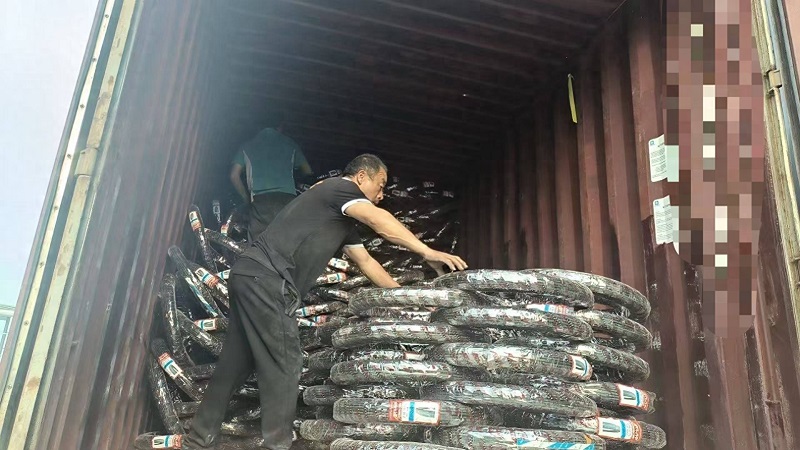
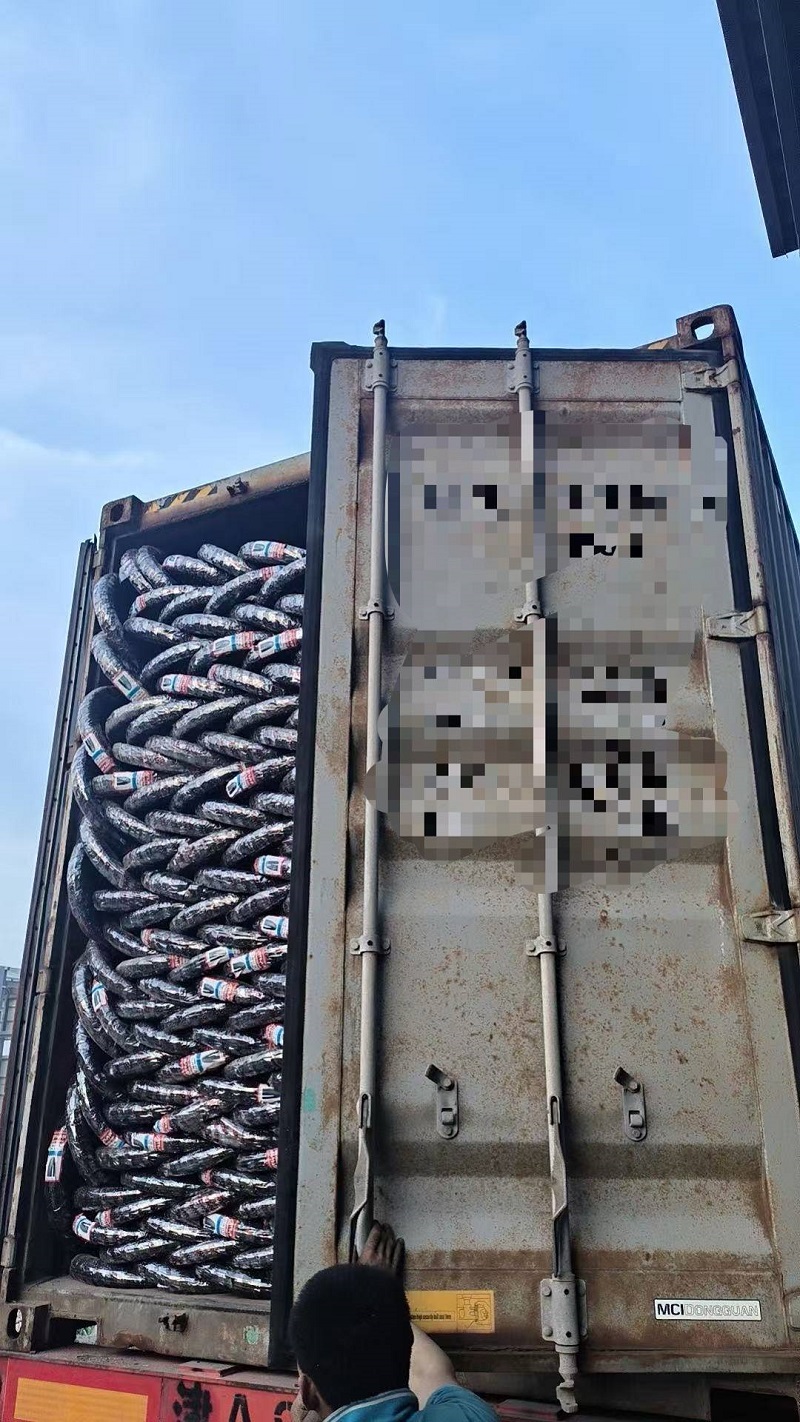
On April 12, 2026, the factory of Chongqing Ruisilaifu Tire Co., Ltd. (hereinafter referred to as "Ruisilaifu", international brand "Ruisilaifu") was bustling with activity as workers efficiently loaded containers for shipment to Egyptian customers. Previously, the shipping crisis in the Strait of Hormuz triggered by the Iraq War had disrupted shipments for many logistics companies. Now, with the situation improving, Egyptian customers are urgently urging Ruisilaifu to expedite delivery.
Previously, the Strait of Hormuz was completely blocked due to the war. As the world's most sensitive energy chokepoint, the Strait of Hormuz carries approximately one-fifth of global oil shipments and about 25% of liquefied natural gas supplies, making it a crucial "artery" in the global shipping system. Traffic volume in the Strait of Hormuz plummeted. Data from Lloyds of London's Lloyds Marine Information Service shows that only 77 ships passed through the Strait of Hormuz between March 1st and 13th, compared to a significantly higher number during the same period previously. Global shipping giants have taken evasive action, with companies such as Maersk Line (Denmark), Mediterranean Shipping Company (Switzerland), CMA CGM (France), and Hapag-Lloyd (Germany) announcing the suspension or cessation of routes through the Strait of Hormuz, instructing their vessels to seek designated safe havens or detour around the Cape of Good Hope. These measures have forced numerous merchant ships to halt or divert their routes outside the strait, disrupting global maritime order.
Cross-border logistics have been severely impacted. International express giants such as FedEx, UPS, and DHL have stated that due to airspace closures and flight cancellations, services to and from many Middle Eastern countries have experienced severe delays, with some routes temporarily suspended and goods in transit potentially diverted or delayed. SF Express International has also announced the suspension of its international express and e-commerce services to several Middle Eastern countries, with the resumption date yet to be determined. Cross-border express delivery between China and parts of the Middle East, Europe, and Africa heavily relies on a combined sea and air freight model. The closure of the Strait of Hormuz has directly severed this core sea route, leading to both delays and soaring costs for cross-border express delivery.
Reslife had previously secured several container tire orders from an Egyptian customer, covering a variety of tire products suitable for different road conditions and vehicle models, including high-wear-resistant off-road tires and all-weather highway tires. These products won over the Egyptian customer with their superior performance and reliable quality. However, the shipping crisis in the Strait of Hormuz posed a significant challenge to the delivery of these orders.
Faced with this predicament, Reslife quickly activated its contingency plan. On the one hand, the company closely monitored the war situation and the passage through the Strait of Hormuz, maintaining close communication with logistics partners and adjusting transportation plans accordingly. On the other hand, it strengthened internal production management to ensure that product quality and production schedules were not affected. Reslife possesses advanced production equipment and a rigorous quality management system, and has introduced internationally leading production technologies and processes, comprehensively optimizing and upgrading its production lines. Meanwhile, the company has established a comprehensive quality inspection system, conducting rigorous quality checks at every stage from raw material procurement to finished product delivery to ensure the stability and reliability of product quality.
As the war situation relatively eased, shipping conditions in the Strait of Hormuz gradually improved. Upon learning this, the Egyptian customer eagerly requested Rislife to ship the goods as soon as possible. To meet the customer's needs, Rislife immediately mobilized its resources to expedite the container loading and shipping process.
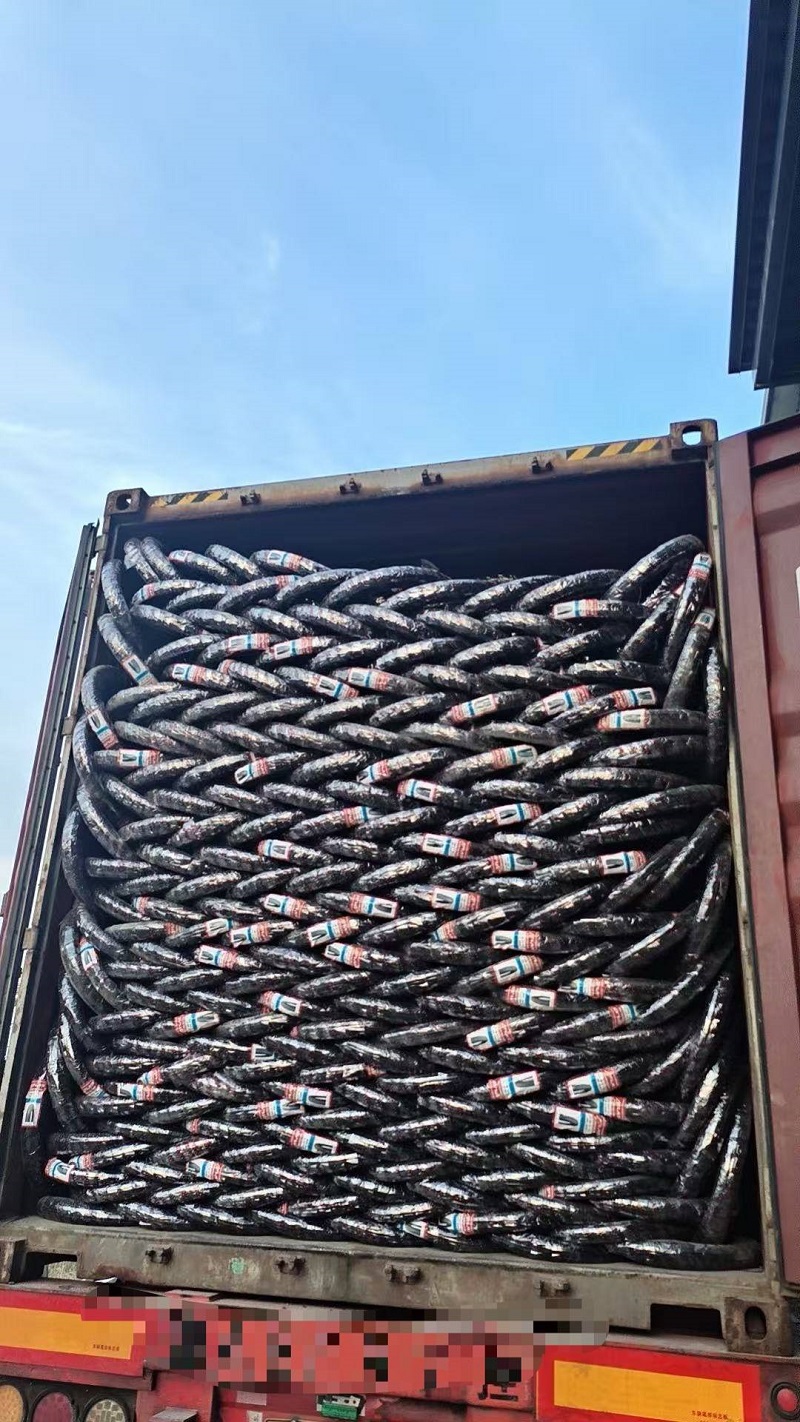
At the factory's container loading site, workers carefully moved the tires into the containers and meticulously secured and packaged them to ensure the safety of the goods during transportation. Rislife Chairman Liang Dabing stated, "We fully understand the feelings of our Egyptian customers. This war has had a huge impact on global logistics, but we always put our customers' needs first. We will do our utmost to ensure that this batch of goods can be delivered to our Egyptian customers on time and safely."
The successful shipment of this Egyptian order not only demonstrates Rislife's rapid response and efficient execution in the face of crisis but also further highlights the market competitiveness and brand influence of its products. In recent years, Rislife has actively expanded into international markets, particularly in Africa, thanks to technological innovation and quality upgrades. The company has expanded to multiple African countries, delivering a large volume of container products. Its "one country, one policy" scenario-based solutions and efficient service response mechanism have been highly praised by customers.
While the recent Strait of Hormuz shipping crisis presented challenges for Rislife, it also deepened the company's understanding of the importance of supply chain resilience. Moving forward, Rislife will continue to adhere to its development strategy of "technology-driven and quality-focused," continuously increasing R&D investment to improve product quality and technological capabilities.
Regarding market expansion, Rislife will actively respond to the Belt and Road Initiative, strengthening trade and economic ties with countries and regions along the route. The company plans to establish regional service centers in Egypt, Conakry, and Lagos to provide localized warehousing, repair, and training services, further consolidating its market position in Africa. Simultaneously, Rislife will accelerate its expansion into emerging markets such as Latin America and Southeast Asia, launching more tire products adapted to different climates and road conditions to meet the diverse needs of the global market. With the successful shipment of this batch of goods, Rislife has taken another solid step forward in its journey in the international market. We believe that with the joint efforts of all employees, Rislife will surely become a leading company in the global motorcycle tire industry and make a greater contribution to promoting the Chinese tire industry to the world.